
What Lawyers Are Really Thinking During Those Silent Courtroom Moments
Uncover the surprising mental gymnastics that keep lawyers sharp and sane amid daily chaos.
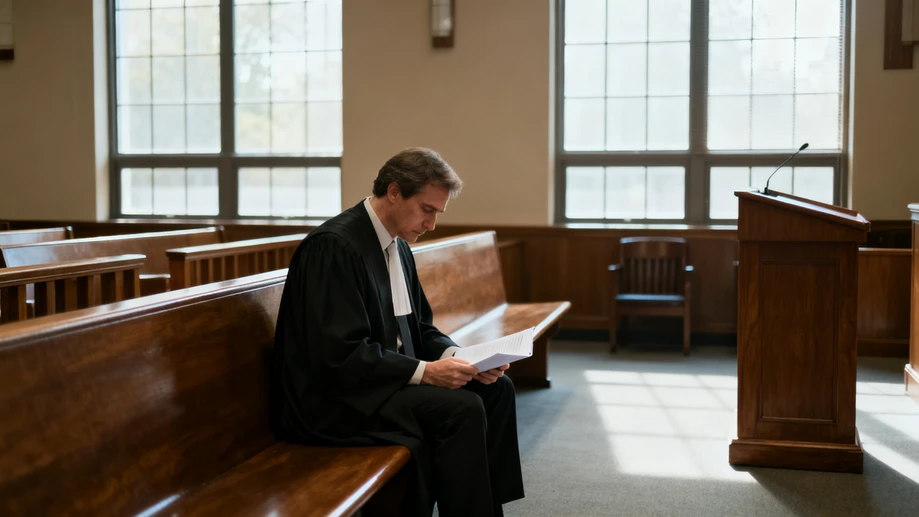
The image of a lawyer standing tall in court, delivering fiery arguments with unwavering confidence, is one that's etched into popular culture. They appear as masters of logic, effortlessly navigating legal battles while the world watches in awe. But here's a secret: those moments of silence, when they're scribbling notes or staring pensively at the judge, are often where the true drama unfolds. Behind the calm exterior, a whirlwind of thoughts races—calculating risks, replaying past cases, and even questioning whether that last cup of coffee was a good idea. This inner world isn't just fascinating; it's what makes the profession a high-stakes mental marathon, far removed from the glamorous portrayals in movies.
In reality, the courtroom silence masks a battleground of cognitive gymnastics. Lawyers aren't simply recalling laws; they're predicting opponents' moves in real-time, like chess players anticipating three steps ahead. For instance, during witness testimony, they might be mentally cross-referencing precedents while decoding body language—did that juror just frown? Is the judge leaning in, signaling interest? This constant multitasking isn't taught in law school; it's honed through years of practice, turning each case into a test of rapid-fire decision-making. And when a case turns unexpectedly, the pressure ramps up instantly.
However, this mental agility comes with a cost: burnout looms large. Long hours and high stakes can fray nerves, leading to what many call "the hidden tax" of the job. Surveys show that lawyers report stress levels higher than most professions, with sleepless nights over minor courtroom slip-ups becoming routine. Yet, instead of crumbling, many develop quirky coping mechanisms. They might sneak in quick mindfulness exercises during recess, visualizing outcomes or repeating calming mantras. Others turn to dark humor—joking about absurd legal loopholes or sharing stories of courtroom blunders over coffee. This shared resilience builds an unspoken camaraderie, transforming the daily grind into a collective survival game.
Moreover, this mental grind isn't confined to court; it spills into every aspect of their lives. Imagine a lawyer reviewing contracts late at night while their family sleeps—their brain still dissecting clauses, drafting responses in their head. This constant cognitive load can blur work-life boundaries, making it hard to "switch off." But here's the twist: many thrive on it. They find joy in solving puzzles that others avoid, like untangling complex regulations or predicting economic shifts based on legal trends. This passion drives them to push boundaries, turning what could be overwhelming into a source of pride. It's why veteran lawyers often describe their careers as addictive roller coasters—exhausting but exhilarating.
In the end, understanding this inner world humanizes the profession. Lawyers aren't just legal robots; they're strategists, comedians, and sometimes even philosophers in tailored suits. Their silent moments are where brilliance brews, fueled by a mix of adrenaline and intellect. So next time you see a lawyer deep in thought, remember: they're not just thinking about the case. They're navigating a mental maze that demands creativity, resilience, and a dash of humor. It's a reminder that the real magic happens not in the grand speeches, but in the quiet corners of the mind.