
Five Things They Never Tell You About Being a Lawyer
Uncover the quirky realities behind the gavel and gown that make this profession more than just courtrooms and contracts
When people imagine lawyers, they picture dramatic courtroom showdowns or power suits closing billion-dollar deals. But the daily grind looks more like deciphering 3AM emails about obscure zoning laws while wondering if your houseplants count as dependent beneficiaries. The reality of lawyering involves layers most never see, from the absurdly specific knowledge we collect to the caffeine-fueled rituals before dawn depositions.
Take the strange phenomenon of "legal superstitions" that develop over years. You'll find seasoned litigators who refuse to change pen brands mid-trial, corporate attorneys who must have the exact same conference room seat for negotiations, and estate planners who avoid scheduling signings on Friday the 13th. These quirks aren't taught in law school but emerge from the high-stakes pressure cooker where tiny variables feel like cosmic game-changers. Truthfully, it's less about magical thinking and more about creating psychological anchors in a profession where control is always an illusion.
Beyond superstitions, there's the bizarre trivia we accumulate like intellectual squirrels. Ever need to recall medieval property law precedents during a coffee chat? A real estate attorney can recite the 1689 Statute of Frauds like it's yesterday's baseball scores. We casually reference 18th-century ship insurance cases when discussing modern delivery contracts because legal principles have surprisingly durable skeletons. The strangest part isn't knowing these things—it's forgetting that normal humans don't discuss riparian rights at dinner parties.
Then there's the secret language hiding in plain sight. Legal drafting operates like an exclusive code where "herein," "aforementioned," and "pursuant to" aren't pretentious flourishes but precision tools. Like surgeons counting sponges, we deploy these terms to eliminate ambiguity—though admittedly, we sometimes forget to switch back to English before ordering lunch. Watching a contracts lawyer explain force majeure clauses to befuddled clients reveals how deeply this linguistic universe rewires brains.
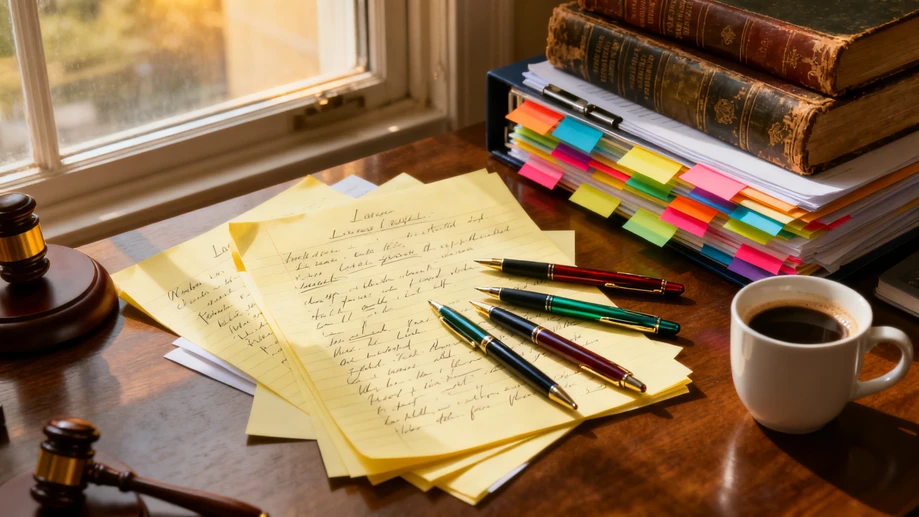
Perhaps the most unexpected reality? The profession runs on shockingly analog technology behind the scenes. While startups pitch blockchain solutions, veteran litigators still swear by rainbow-colored sticky note systems for document reviews. One revered appellate specialist drafts arguments exclusively on yellow legal pads with four specific pens before anyone touches a keyboard. This isn't resistance to innovation but hard-won wisdom about how tactile processes shape clearer thinking—and which software updates will inevitably eat your filing minutes before deadline.
Ultimately, the myth versus reality gap creates lawyers who are equal parts scholar, therapist, and strategic mind reader. We navigate emotional landmines in divorce mediations one hour and analyze semiconductor supply chain liabilities the next. The true magic isn't in the dramatic moments but in the quiet alchemy of translating human chaos into structured solutions—often while trying to remember if we fed those metaphorical houseplants.