
The Hidden Truth About Parking Tickets
Uncover the surprising facts that could save you from those pesky fines.
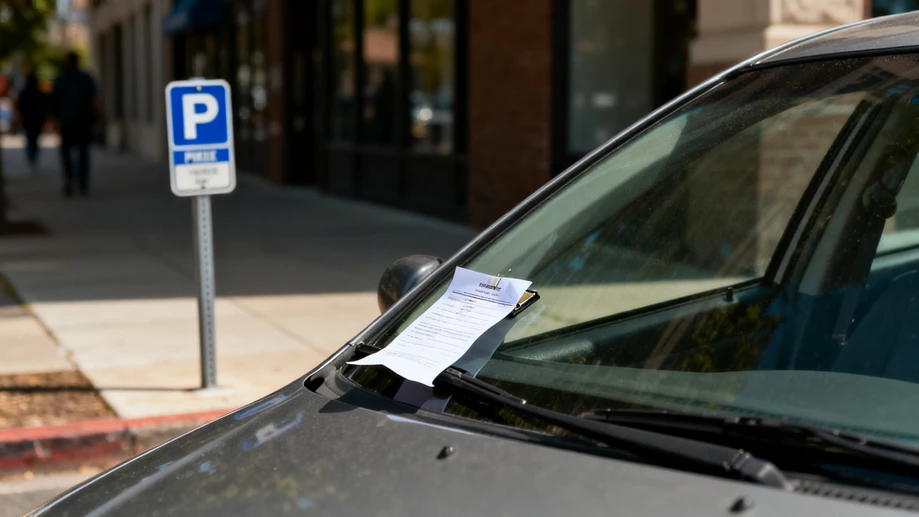
Picture this: you're rushing to a meeting, heart pounding as you dash into a crowded city street, only to return to your car later and find a bright yellow ticket fluttering under your windshield wiper. That sinking feeling is all too familiar, but what if I told you that many of these parking tickets are issued based on outdated rules or simple oversights? Parking tickets might seem like a minor nuisance, yet they rack up billions in revenue for cities each year, often catching drivers off guard with confusing regulations. However, understanding the legal basics can turn this frustration into empowerment, helping you avoid unnecessary fines and even challenge unfair charges.
At its core, a parking ticket is a legal notice alleging that you violated local traffic laws, typically for overstaying your welcome in a spot or ignoring signage. But here's the kicker: these laws vary wildly from place to place, and many drivers assume they're set in stone when, in reality, they're often subject to interpretation. For instance, in some areas, a "no parking" sign must be clearly visible from all angles to be enforceable; if it's obscured by a tree or faded by weather, you might have a solid case for dismissal. Moreover, cities frequently update their codes, meaning what was illegal last year could be perfectly fine today. This fluidity highlights how a little knowledge can be your best defense against those automated cameras or overeager meter maids.
Transitioning to common mistakes, it's astonishing how many people pay their tickets without a second thought, unaware that they're essentially admitting guilt. In fact, statistics show that up to 30% of parking tickets contain errors, such as incorrect license plate numbers or expired time limits, which could void the fine entirely if caught early. Another widespread myth is that ignoring a ticket will make it disappear; on the contrary, unpaid fines can snowball into late fees, license suspensions, or even court summons. But here's a silver lining: most jurisdictions offer a straightforward appeals process, often online, where you can submit evidence like photos or witness statements. This step-by-step approach not only saves money but also reinforces your rights as a citizen, turning a potential headache into a learning opportunity.
Building on that, let's explore practical strategies to fight back smartly. Start by always snapping a quick photo of your parked car and the surrounding signs—it takes seconds but could be gold if a dispute arises. Next, familiarize yourself with local ordinances; many city websites have free databases where you can check rules for specific streets. If you do get ticketed, don't panic. Instead, review the details meticulously: was the ticket issued during a grace period? Are the dates and times accurate? Often, a polite letter pointing out these discrepancies can lead to a dismissal. Furthermore, consider joining community forums or apps where drivers share real-time updates on enforcement hotspots. This collective wisdom not only helps you dodge fines but also fosters a sense of camaraderie in the urban jungle.
Wrapping it up, parking tickets aren't just about money—they're a microcosm of how everyday laws impact our lives. By staying informed and proactive, you transform from a passive victim to an empowered advocate, potentially saving hundreds of dollars annually. Remember, the law is on your side more often than you think; it's all about knowing where to look. So next time you see that yellow slip, take a deep breath and arm yourself with knowledge. After all, in the game of street parking, the best defense is a good offense.