
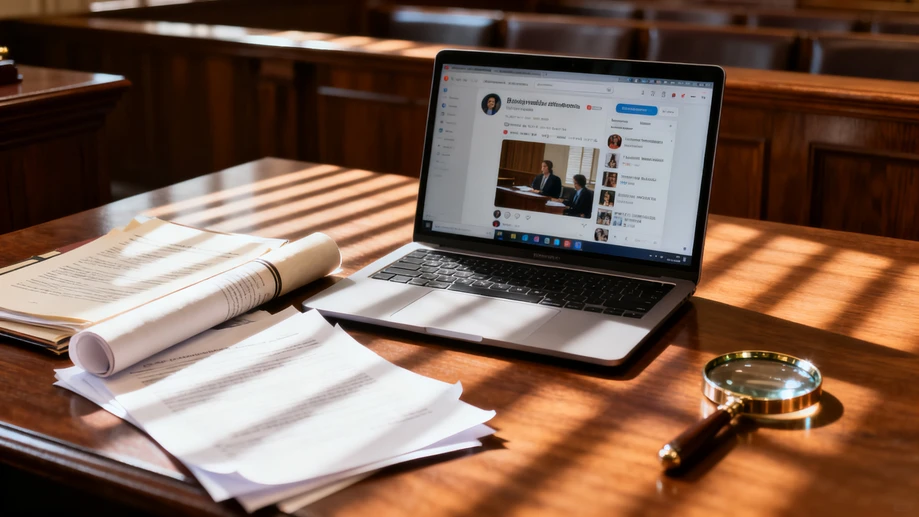
Your Social Media Posts Could Become Evidence in Court
Discover why every online comment and photo might end up in a legal battle
Scrolling through social media feels like chatting with friends over coffee. You share vacation snaps, vent about work, or post political opinions without a second thought. But here's a reality check: that casual tweet or Instagram story could someday be Exhibit A in a courtroom. Digital footprints don't fade, and lawyers increasingly mine social platforms for evidence. From divorce settlements to personal injury claims, your online persona is fair game in legal disputes. One court case involved an employee suing for workplace injury – until their Facebook photos showed them skydiving during "recovery."
Social media evidence isn't just screenshots anymore. Courts have compelled defendants to hand over passwords through discovery orders. Even deleted content isn't safe; forensic experts routinely recover "vanished" posts. Privacy settings offer false comfort too – mutual friends can legally share your "private" posts if relevant to a case. Remember the defamation lawsuit where someone's locked Twitter rant got submitted as evidence by a follower? That's why judges often rule that expecting privacy online is like expecting privacy shouting in a crowded square.
Location tags and timestamps turn casual posts into alibi-busters. A property dispute case unraveled when geotagged photos contradicted someone's claim of residency. Or consider the insurance claimant who posted gym selfies while alleging debilitating back pain. Metadata embedded in digital files creates an unforgiving paper trail that frequently undermines verbal testimony. As one attorney dryly noted, "People lie to judges but rarely to their Instagram followers."
Protecting yourself starts with thinking before posting. Ask: "Would this look suspicious if blown up on a courtroom projector?" Avoid posting during emotionally charged moments – legal proceedings have used angry rants to establish intent or state of mind. Review privacy settings quarterly, but assume anything shared could become public. Screenshotting DMs for legal leverage is now common practice, so avoid sensitive conversations on messaging apps. Interestingly, even "likes" have been subpoenaed to prove someone's awareness of controversial content.
The legal landscape evolves faster than platform algorithms. Recent rulings establish that altering privacy settings during litigation amounts to evidence destruction. Some courts now mandate digital literacy courses for parties who "accidentally" deleted relevant posts. While Europe's GDPR offers some deletion rights, American courts generally treat social media as public space. A landmark ruling even allowed photos from private Facebook groups as evidence since members constituted "a selected audience" rather than true privacy.
Don't retreat from digital life – just navigate it wisely. Curate your online presence as if a jury will review it tomorrow (they might!). Save controversial discussions for face-to-face chats. Most importantly: never assume the internet forgets. Those throwaway comments accumulate into a permanent testimony that could speak against you louder than any witness. The digital age demands new legal mindfulness with every click.