
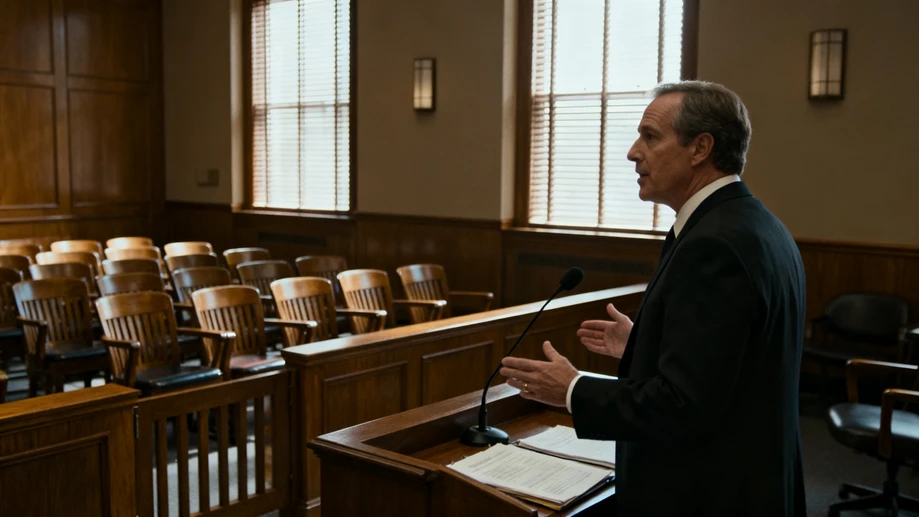
Lawyers Aren't Just Arguing; They're Storytellers in Court
Uncover the art of legal storytelling that turns dry facts into gripping courtroom dramas.
When most people think of lawyers, they picture stern figures in suits, endlessly debating over contracts or shouting objections in a tense trial. But step inside a real courtroom, and you'll find something far more fascinating: lawyers aren't just arguing points; they're masterful storytellers, weaving narratives that can sway juries and win cases. This hidden art transforms dull legal jargon into compelling tales of human struggle, justice, and redemption. It's a skill that goes beyond textbooks, drawing on empathy, timing, and a dash of showmanship to make the law come alive. After all, in the end, trials aren't just about evidence; they're about convincing ordinary people to see the world through a specific lens.
Take a typical day in court, for instance. Imagine a personal injury case where a lawyer must recount how a simple slip on a wet floor led to life-altering injuries. Instead of bombarding the jury with medical terms, the attorney starts by describing the victim's morning routine—the smell of coffee, the rush to get to work, and the sudden, shocking fall. This approach humanizes the facts, making the jury feel the victim's pain and frustration. Moreover, it builds a narrative arc that peaks with the negligence of the property owner, turning abstract legal concepts into a relatable story. Such storytelling isn't accidental; it's honed through years of practice, where lawyers learn to read the room, adjust their tone, and use pauses for dramatic effect, much like a seasoned actor on stage.
However, this narrative craft doesn't come easy. Lawyers spend countless hours preparing, not just memorizing laws, but rehearsing their delivery to ensure every word lands with impact. They study real-life cases, like those involving contract disputes, where a well-told story can highlight hidden injustices. For example, in a breach-of-agreement suit, a lawyer might frame it as a tale of broken promises, starting with the initial handshake of trust and ending with the fallout of betrayal. This method transforms complex clauses into emotional journeys, helping jurors grasp the stakes without getting lost in legalese. In addition, modern attorneys often draw inspiration from everyday life, incorporating current events or pop culture references to make their stories more engaging and relevant to today's audiences.
Yet, there's a humorous side to this that often goes unnoticed. Courtrooms aren't all serious business; they're filled with unexpected moments of levity that break the tension. Picture a judge cracking a witty joke during a tedious cross-examination, or a lawyer accidentally tripping over a cord while making a grand gesture. These light-hearted incidents remind everyone that law is practiced by real people, not robots. They also serve a purpose: humor can disarm opponents, build rapport with jurors, and make the proceedings feel less intimidating. Furthermore, lawyers themselves share stories of courtroom blunders, like mispronouncing key terms or getting flustered by surprise evidence, which humanizes the profession and shows that even experts aren't perfect.
Despite these skills, many outsiders misunderstand what lawyers do, assuming it's all about aggressive confrontation. In reality, the best attorneys know that storytelling requires listening as much as speaking. They pay close attention to witnesses' testimonies, picking up on subtle cues to refine their narratives on the fly. This adaptability is crucial in high-stakes trials, where a single detail can shift the entire story. For instance, in a criminal defense case, a lawyer might pivot from a focus on innocence to one of redemption if new evidence emerges, turning a potential loss into a win. Over time, this emphasis on narrative over argument has reshaped legal education, with law schools now offering courses on communication and persuasion, proving that the art of storytelling is as vital as knowing the law itself.
In the end, the courtroom isn't just a battleground for legal minds; it's a stage where stories unfold, shaping outcomes in ways that pure logic never could. This storytelling approach makes law accessible and exciting, bridging the gap between dry statutes and human experience. As more people recognize this, the profession gains a fresh, dynamic image—one where lawyers are seen not as cold calculators, but as passionate narrators fighting for justice. So next time you hear about a trial, remember: behind every verdict lies a carefully crafted tale that could rival the best dramas. It's this blend of art and advocacy that keeps the legal world endlessly intriguing and full of surprises.