
Remote Legal Practice Is Revolutionizing the Courtroom Experience
Discover how lawyers are adapting to virtual courtrooms and what this means for the future of justice.
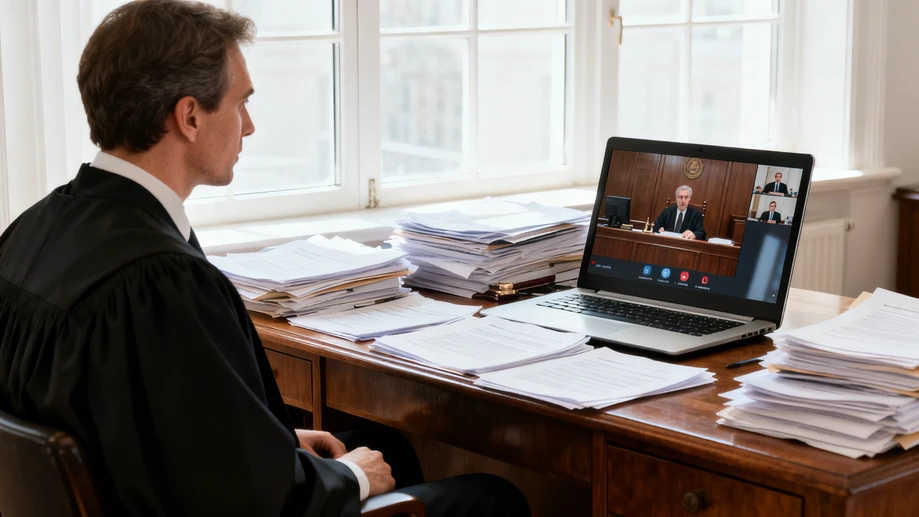
Imagine a world where lawyers argue cases not in grand courthouses but from their home offices, with judges and juries appearing on screens instead of in person. This isn't science fiction—it's the reality sweeping the legal profession today. The shift to remote work, accelerated by global events, has transformed how justice is delivered, making virtual courtrooms a hot topic in law firms worldwide. Lawyers are now navigating this digital frontier, where a stable internet connection can be as crucial as a well-prepared argument. This trend isn't just a temporary fix; it's reshaping the very essence of legal practice.
As lawyers embrace this new normal, they're uncovering unexpected benefits. For starters, virtual hearings save precious time and money. Gone are the days of rushing across town for a brief appearance; now, attorneys can handle multiple cases in a single morning from their desks. This efficiency boosts productivity, allowing them to serve more clients without the burnout of constant travel. Plus, it levels the playing field for smaller firms and solo practitioners who once struggled with high overhead costs. On the flip side, clients love the convenience—they can attend hearings from anywhere, reducing stress and making justice more accessible. It's a win-win that's turning skeptics into believers.
However, this digital shift isn't without its hurdles. Technical glitches can derail a case faster than a bad objection, with frozen screens or poor audio turning critical moments into chaotic scenes. Lawyers must now master new skills, like troubleshooting video calls and ensuring digital evidence is presented flawlessly. Security concerns also loom large; protecting sensitive client data in virtual settings requires robust cybersecurity measures that many firms are still scrambling to implement. Then there's the human element—building rapport with judges or opposing counsel through a screen feels impersonal, potentially weakening persuasive arguments. Despite these challenges, the legal community is adapting fast, with training programs and tech tools emerging to smooth the transition.
Looking ahead, virtual courtrooms are poised to become a permanent fixture. Courts in many regions have reported higher efficiency rates since adopting remote options, with some cases resolved faster than ever before. This isn't just about convenience; it's democratizing justice. Rural or underserved communities, where courthouses were once hours away, now have better access to legal services. Environmental benefits add another layer, as reduced travel cuts carbon footprints—a small but meaningful step toward sustainability. Yet, the biggest change might be cultural: lawyers are rethinking traditional norms, like the need for formal attire when arguing from home. It's a sign that the profession is evolving beyond brick-and-mortar constraints.
Of course, not everyone is on board. Critics worry that virtual justice could erode the solemnity of court proceedings, turning serious hearings into casual video chats. There's also the risk of digital divides widening inequalities; clients without reliable tech may miss out on fair representation. But these concerns are fueling innovation. Law firms are investing in user-friendly platforms and pro bono initiatives to bridge gaps, ensuring that technology enhances rather than hinders fairness. Moreover, the data shows promise—studies indicate high satisfaction rates among participants, suggesting that with the right safeguards, virtual courtrooms can uphold the integrity of the legal system.
So, what does the future hold? Expect hybrid models to dominate, blending in-person and virtual elements for flexibility. Lawyers might soon use augmented reality to present evidence or AI-free tools for document management (since we're steering clear of AI topics). This evolution will demand continuous learning, but it also opens doors for creativity in advocacy. Ultimately, the rise of remote legal practice isn't just a trend; it's a revolution making justice swifter, more inclusive, and surprisingly human. As one seasoned attorney put it, "The courtroom is no longer a place—it's wherever you log in."